
Shadows and Light of the Colors We Carry
Tracing the Unspoken Inheritance of Our Past and Future

Reflections of Legacy
When I look into the mirror, I don’t just see myself. I see fragments of those who came before me—the arch of my brow, the curve of my smile, the shape of my eyes—all markers of an inheritance I never sought, yet cannot escape. These physical traits are easy to recognize, like vivid splashes of paint on a shared canvas, each telling a partial story of a lineage I may only faintly understand. I sense them in my hands, my posture, and even in the way I walk the world.
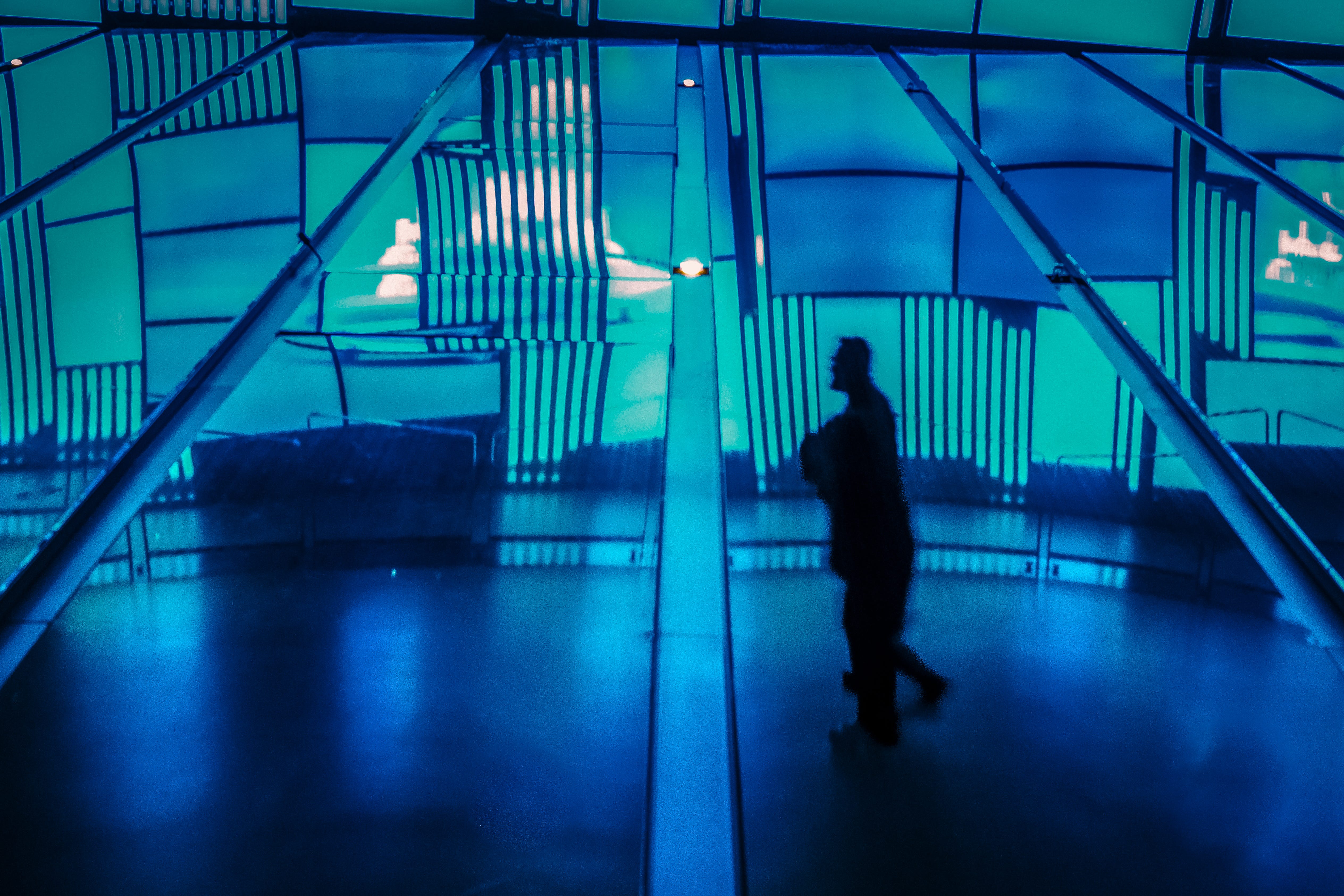
Yet beyond these visible imprints lies another inheritance—an elusive one that runs deeper than my skin and shapes who I am in ways I struggle to put into words. It’s an undercurrent of mental and emotional legacies: the muted blues of sadness, the fiery reds of anger, love, and resilience, each tinting the background of my life even when I’m not aware of it. These invisible heirlooms exist in the form of unspoken traumas, silent strengths, and ingrained patterns of behavior passed down through generations. They are the gifts I never requested, the wounds I never asked for, and the struggles I never started—yet they belong to me, whether I realize it or not.
Inherited Strokes
Imagine a canvas, its surface layered with strokes of color, each representing a moment in a family’s history. Some colors are vibrant, filled with the warmth of love, endurance, and hope. Others are darker, shadowed with secrets and sorrow. We don’t get to choose the colors we inherit, yet they shape the picture of who we are, sometimes so subtly that we fail to notice their influence on our own lives.
These inherited colors carry a weight that isn’t always visible. They show up in fleeting moments of anxiety, thoughts that seem to have roots in events I never experienced, and feelings of isolation that catch me off guard. These emotional legacies may show up in the subtle ways we respond to life’s challenges—like when the weight of unspoken burdens makes it harder to connect with others, even when material security surrounds us. It’s overwhelming at times, especially when these legacies remain hidden in the silences of family lore. We may have plenty of material security—a roof overhead, food on the table—yet still feel disconnected, displaced, or confused.
Shadows of Society
The emotional weight we carry doesn’t just shape our individual lives—it ripples outward, influencing larger societal issues like homelessness, where invisible legacies of trauma and mental illness manifest in ways that are often misunderstood.
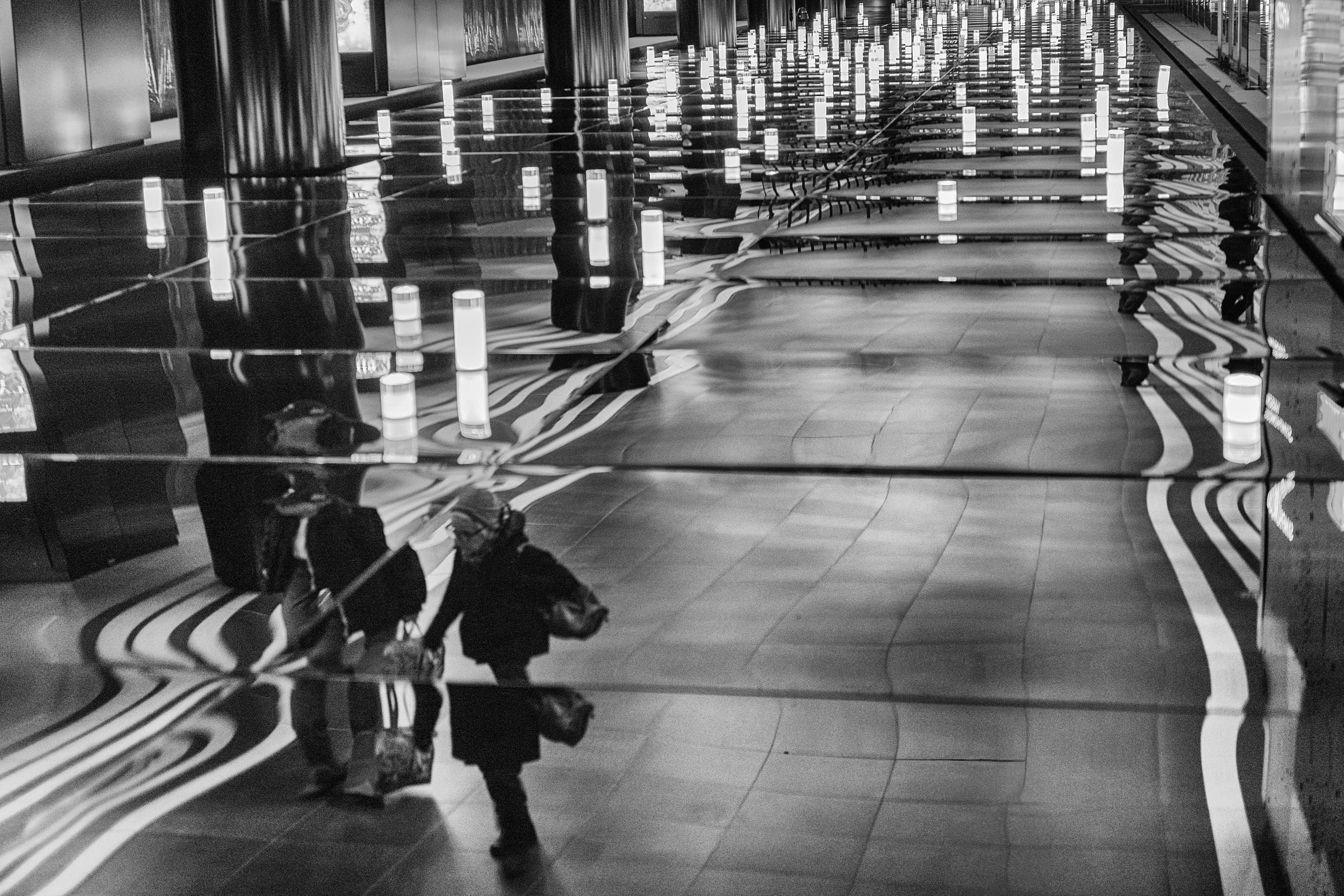
It's easy to blame such struggles on poor choices or lack of resources, but that narrative overlooks the more complex, often hidden, emotional legacies that underlie these experiences. For many, homelessness is a result of unspoken generational trauma, untreated mental illnesses, and emotional legacies passed down through families. Studies show that around 20-25% of people experiencing homelessness live with severe mental health conditions—conditions often rooted in generational trauma and inherited emotional burdens.
These mental health struggles are passed down, sometimes silently, from one family member to the next. But they aren’t just biological; they are shaped by a society that, too often, fails to acknowledge these invisible legacies. In doing so, society exacerbates the challenges faced by those who carry these unspoken burdens, leaving people with no place to turn.
While society may reject those who fall through the cracks, the sting of rejection is often even sharper when it comes from those who should offer the most unconditional support—our families. For many, the pain of being cast aside by family members mirrors the societal rejection faced by those struggling with mental illness, trauma, or homelessness, compounding the weight of already inherited burdens.
Weight of Rejection
Beyond the struggles themselves, the most devastating blow can come from rejection by family—the people who, by definition, should have our backs. Families set unwritten rules about what qualifies as “normal,” and when we fail to meet those expectations, the fallout can be heartbreaking. The very ones we count on to understand us may cast us aside for not fitting neatly into their vision of who we ought to be.

Emotional isolation runs especially deep here, compounding the weight of inherited shadows. It feels like being punished for carrying a burden that was never truly ours to begin with. For those suffering from mental illnesses passed down over generations, rejection often feels like a mirror to the societal rejection they face—a sharp, raw disconnection that pierces the psyche and echoes in the body. I think again of those struggling with mental illnesses passed down over generations. They may see their conditions blamed on willpower or dismissed as personal flaws. Others, already grappling with destructive family dynamics, might find themselves on the streets—or on the fringes of society—when they can’t conform to the narrow definitions of what’s “acceptable.”
But even amidst the inherited shadows, families also transmit resilience. Through whispered stories or quiet acts of survival, I’ve inherited strengths from ancestors who weathered famines, wars, and untold losses. This resilience doesn’t just live in the past; it is the very energy that drives us to face—and challenge—the societal struggles we inherit, giving us the strength to rebuild, both as individuals and as communities.

Silent Inheritance
This intangible bequest is more than just metaphorical. Epigenetics—the study of how life experiences can switch certain genes on or off—reveals that trauma, fear, and stress can indeed leave molecular marks capable of passing from one generation to the next. In my life, this silent inheritance can be felt in my own physical health and emotional responses to pressure—reactions I never fully understood until I recognized they might have roots in the past. My reactions to stress, my vulnerabilities, and even some physical health predispositions could be remnants of a story that began long before I was born.
This scientific perspective dovetails with how family behaviors are learned and internalized. Children often absorb unspoken rules—don’t draw too much attention to yourself, don’t cry, don’t talk about feelings. These patterns served a survival purpose in another time, but they can become toxic if left unexamined today. The question becomes: Are these patterns set in stone? Psychologists say no; awareness is the first step to breaking free. By actively examining inherited behaviors, we can rewrite our internal scripts rather than continually reenacting them.
The trouble is, these legacies often exist in a shroud of silence. Families may refuse to speak of dark events or tragedies, telling themselves that silence will protect future generations. Yet grief and trauma have a way of seeping into everyday life when left unaddressed, manifesting as anxiety, depression, or an underlying sense of something being “off.” In my own life, I’ve felt how unspoken grief can leave a gaping hole, creating questions I can’t easily name. Research by the American Psychological Association also confirms that open communication about family histories—both the triumphs and the scars—can bolster resilience, helping individuals feel connected to a larger palette of human experience instead of feeling uniquely cursed or broken.
Beyond Words
Sometimes, I picture myself standing on the shoulders of giants, but I also acknowledge the weight of their burdens—the emotional legacies, both light and dark, that they carried and passed on to me. This weight is not just personal; it is shared by generations before me, and by society at large. Yet, just as we can carry the pain of our inheritance, we also have the ability to reshape it—individually and collectively. Sorting which parts of that inheritance serve me and which weigh me down can be a bewildering, deeply personal task. It requires facing uncomfortable truths and unearthing the stories nobody wanted to tell.

I’ve grown weary of being told to just “think positive,” as if deep-seated emotional wounds and inherited mental health struggles can be dissolved by mere will. A broken bone wouldn’t heal without medical attention, and neither can a wounded psyche. That’s why therapy, open dialogue, and the willingness to break generational silences are crucial. It’s the only way to truly recognize, process, and reshape what we’ve been given.
In moments of reflection, I often think about the painter Mark Rothko, whose fields of color evoke a spectrum of emotional states. His reds can feel intensely urgent, while his blues and grays evoke contemplative calm or sorrow. Rothko’s paintings remind me that our emotional inheritance—the layers of fear, hope, grief, and love—can be laid out like overlapping washes of color. None stands alone; each interacts with the others to form our full, complex palette. We inherit shadows and lights, heartbreak and perseverance, each gently or forcefully blending into who we are now.
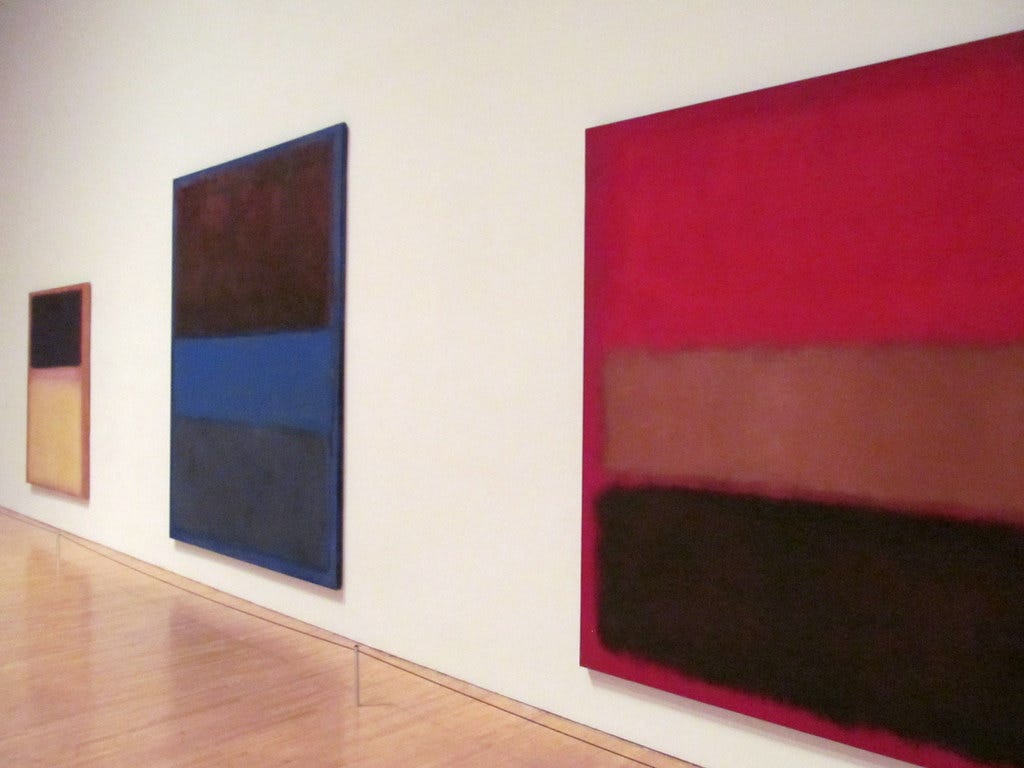
Recognizing this palette can be both intimidating and liberating. It’s not about excising the “bad colors,” but learning how to arrange them in a way that fosters healing and empathy rather than repetitive cycles of pain. In that sense, our invisible inheritance does not have to define us. We can decide how to approach our canvas.
Reclaiming the Narrative
As I continue examining the colors of my inheritance, I realize I’m no longer a passive recipient. Every day offers a chance to reclaim the narrative—to name old traumas, to question family “norms,” and to gently unlearn behaviors that no longer serve. In my photography, I’ve found a way to explore the colors and shadows around me—moments of light and darkness that seem to mirror the emotional landscapes I carry within. Through the lens, I express questions that have been lingering in my mind for years, capturing not just what’s visible, but what remains unspoken.
By acknowledging our shared legacy—both the physical traits easily seen and the invisible burdens hidden beneath the surface—we step into a more honest understanding of who we are. It reminds us that we stand in community with those who came before and those who walk beside us now, including people struggling with challenges we may have once dismissed. And it’s this sense of connection that can foster compassion, not only for others but for ourselves. When we recognize that even our deepest pain or oddest quirks can be echoes of a past we never witnessed, it becomes easier to treat ourselves with kindness.

Reclaiming the narrative is not just about healing ourselves, but about empowering others to reclaim their own stories. I’ve seen transformation in my community—when individuals break free from the cycles of inherited trauma and rejection, their resilience becomes a collective strength, shaping a more empathetic, supportive future for all.
In the end, our invisible inheritance is both a responsibility and a gift. It ties us to a lineage of humanity that has known both suffering and triumph. Embracing it means acknowledging not just the hurts but also the bright sparks of resilience that course through our veins. We don’t have to remain bound by the colors we’ve been handed. By accepting the totality of what we carry—both the shadows and the light—and daring to shape it with intention, we create a future filled with new possibilities. Through conscious reflection, therapy, and even the lens of a camera, we can reshape our emotional palette, embracing healing, empathy, and a renewed sense of hope.
Catherine, I love how you write, how emotionally-laden your stories are and the photos that accompany these texts. Please keep it up. Hugs and merry Christmas, Christelle
This reminds me of the Jung quote: Until you make the unconscious conscious, it will direct your life and you'll call it fate. I agree that photography is a great medium for helping find presence, and in so doing, also helping us become more self aware.